
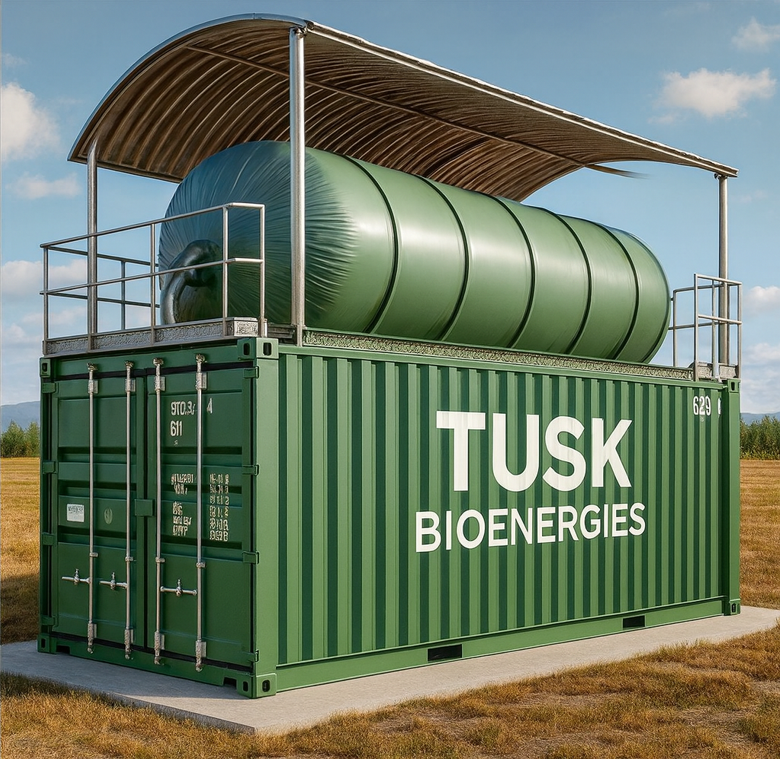
Container / Modular (Plug-and-Play)
Typical capacity: 500–10,000 m³
Fast deployment, relocatable, minimal civil works. Ideal for schools, clinics, estates, small/medium farms.
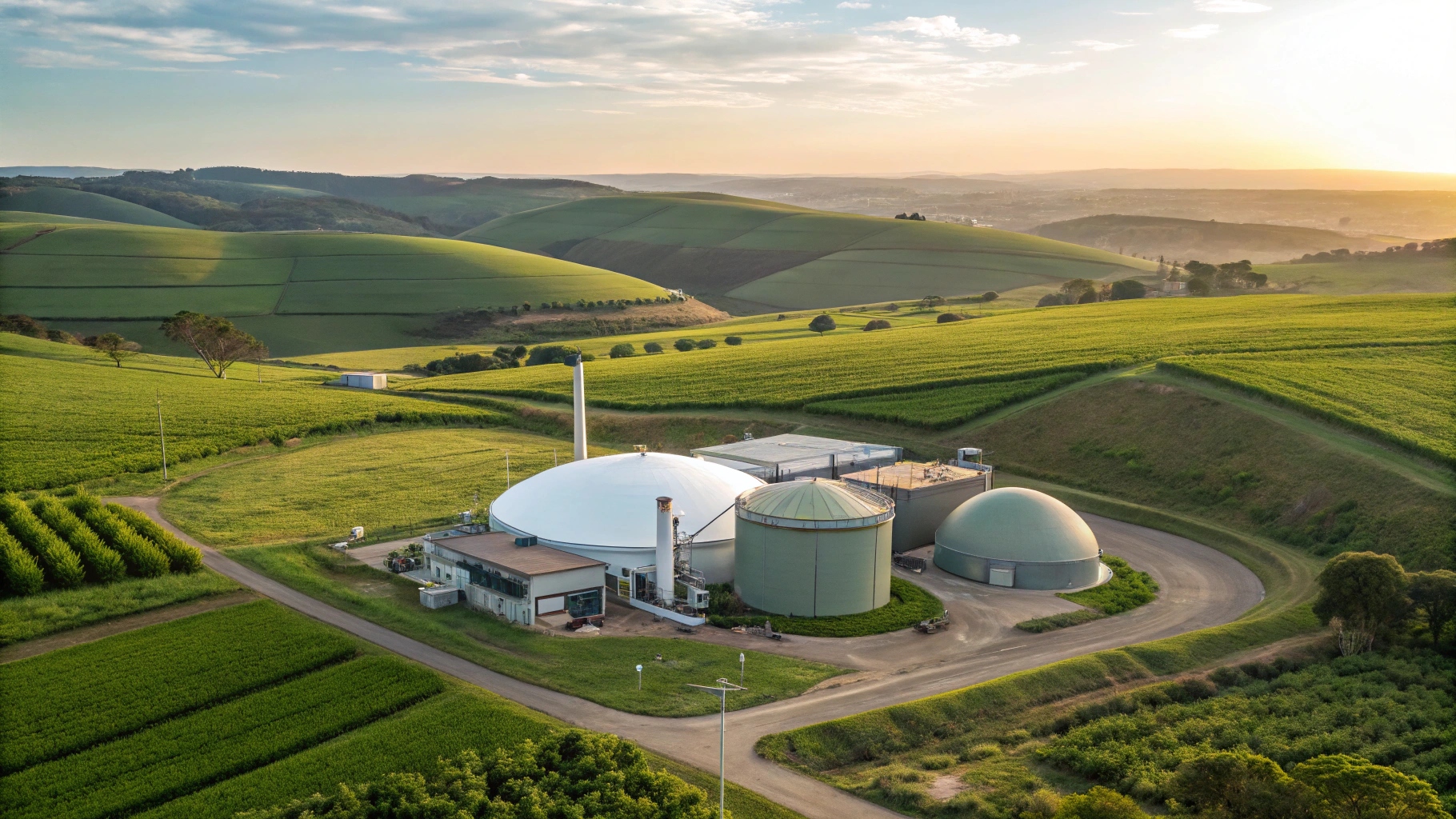
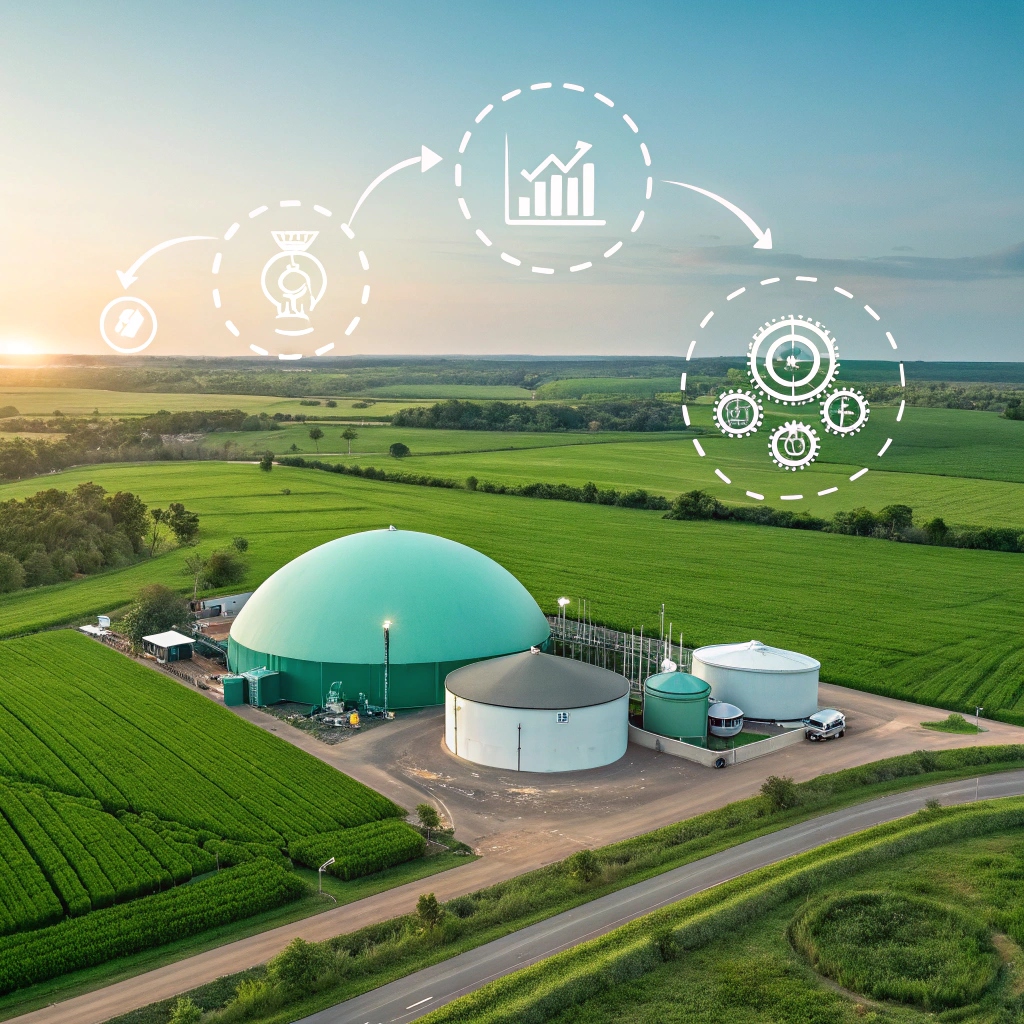
Large scale and modular biogas systems that turn food & organic waste into electricity, heat and bio-fertiliser
Sustainable Development · Methane Reduction · Carbon Credits
We size and configure systems for farms, food processors, cooperatives, and municipalities.
Typical capacity: 500–10,000 m³
Fast deployment, relocatable, minimal civil works. Ideal for schools, clinics, estates, small/medium farms.
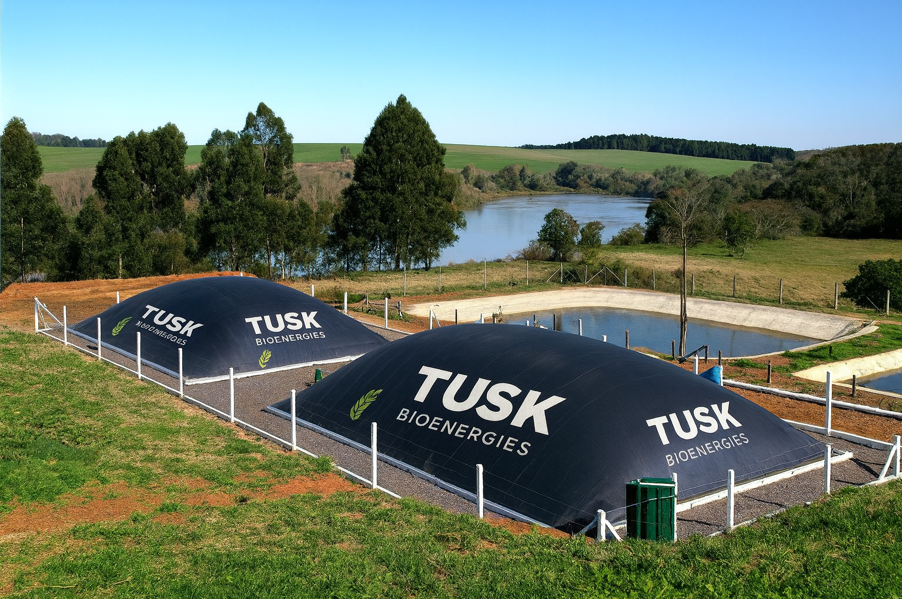
Typical capacity: 500–10,000 m³
Best for piggeries, dairies, cassava & food processing with land availability. Lowest CAPEX per m³; simple O&M.
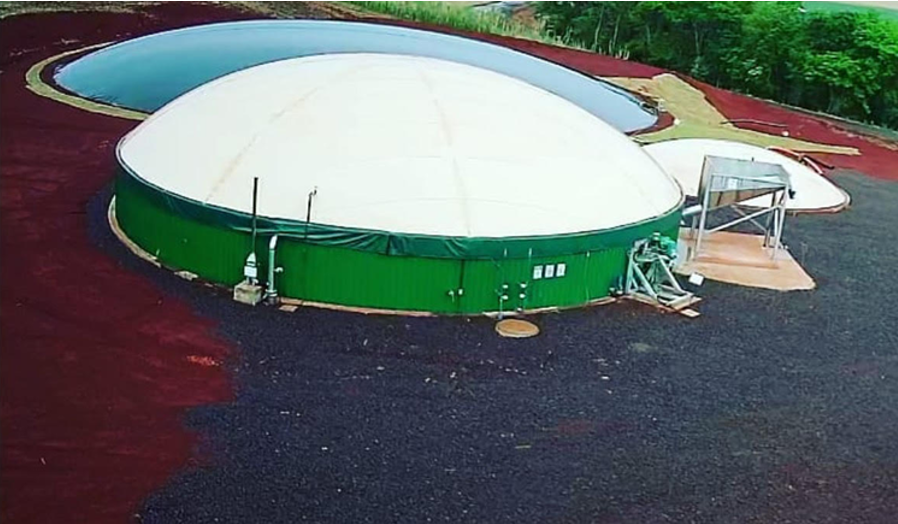
500-5,000 m³ per tank
High performance, stable gas output, advanced automation. Suited to municipalities & large industry.
Avoided methane from waste = high CO₂e reductions
Pathway to carbon credits (monitoring & verification support)
Community co-benefits: jobs, health, soil regeneration
Avoided methane from waste = high CO₂e reductions
anaerobic conversion
biogas · digestate
biogas
power · heat · cooling · cooking
Digestate
bio-fertiliser
Genset/CHP
Boilers
Absorption or electric
Biogas burners
Bio-slurry
Optional RNG/biomethane
Replace fossil fuels with renewable natural gas / biogas
Enable freezing/cold chain for agriculture
Provide clean cooking; reduce deforestation
Produce nutrient-rich bio-fertiliser from digestate
Cut methane & CO₂e; access carbon revenues
Conversion of waste to value
Manure, food waste, crop residues, slaughterhouse waste (pre-treatment as needed).
Container: 6–10 weeks; Lagoon: 8–16 weeks; CSTR: 4–8 months (scope dependent).
Daily check (30–60 min), monthly service; remote monitoring optional.
Yes—modular path: container → add tanks/units later.
We support permits, HSE, and interconnection.
Still have questions? Contact us
Tell us about your site, your waste and your goals — we'll assess what a biogas system could deliver for you.